
Five lessons from South Korea’s market rout…did investors understand what they were buying?
As a finance educator, I have spent years helping people build financial confidence. What happened recently in South Korea is a reminder of why that work matters.
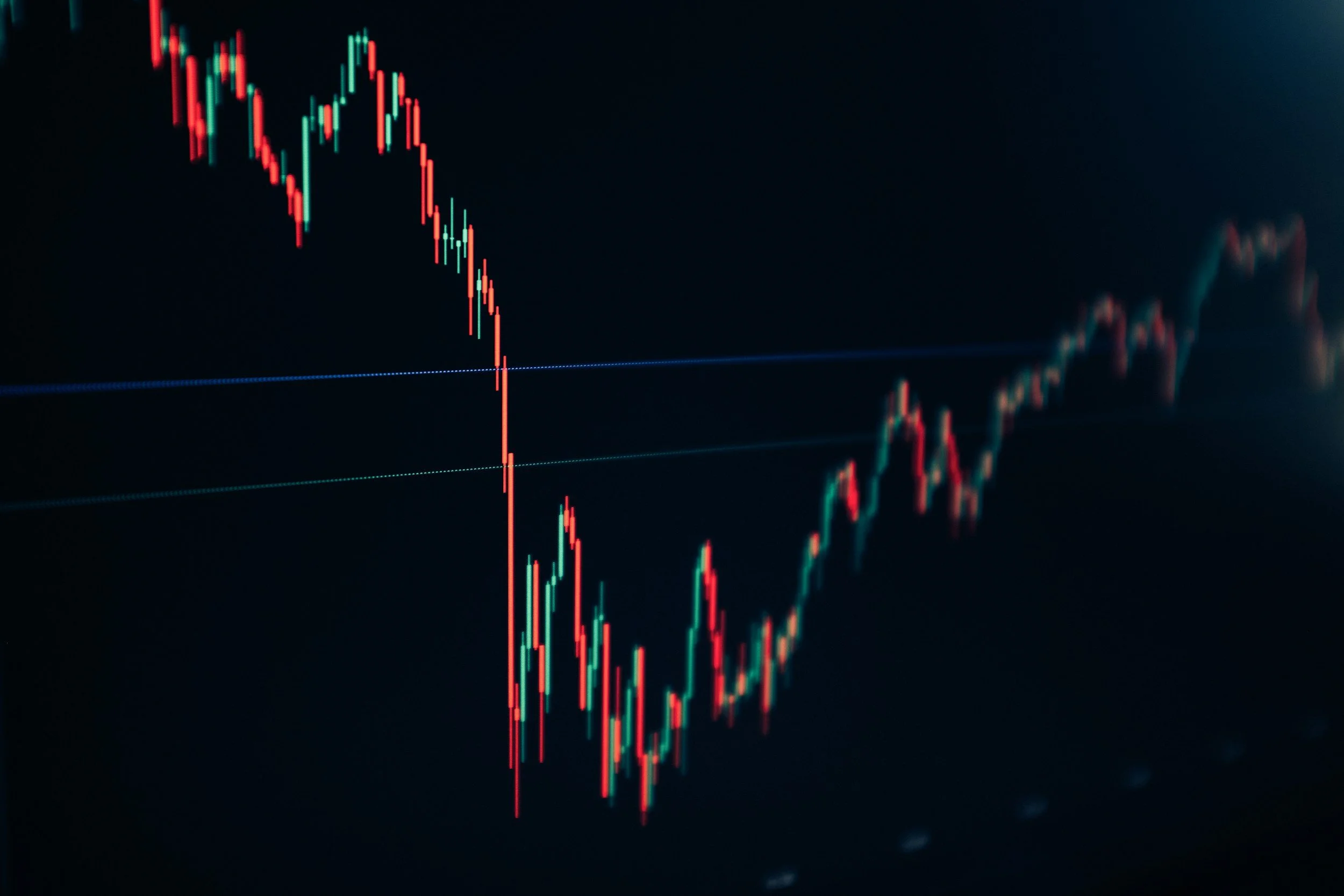
South Korea experienced a dramatic stock-market sell-off (~40% drop in July 2026).
Many retail investors had bought leveraged ETFs linked to individual companies such as Samsung Electronics and SK Hynix. When share prices fell sharply, losses multiplied. Margin calls followed, and some positions were forcibly liquidated.
The situation became serious enough for the government to convene an emergency meeting. South Korea's finance minister also apologised for introducing single-stock leveraged ETFs without sufficient consideration.
Some investors protested against the government.
There are valid questions about whether these products should have been approved, how they were marketed and whether safeguards were adequate.
But there is another question investors must ask:
Did the people buying these products truly understand the risks?
1. Invest according to your own risk profile
One of the most common beginner mistakes is copying what a friend, colleague or neighbour is doing.
Someone tells you how much they made.
A WhatsApp group starts discussing the same stock.
Everyone seems to be buying...so you follow. 😬
But their financial situation may be very different from yours. They may have more income, a longer time horizon, fewer obligations or a greater ability to recover from losses.
They may also be taking risks they do not fully understand.
Your risk profile should reflect your own finances, goals, knowledge, investment horizon and emotional tolerance for loss.
The problem is that many people only discover their true risk tolerance when markets fall.
It is easy to think you are comfortable with risk when prices are rising. The real test comes when your portfolio falls by 20%, 30% or more.
Risk profiling should happen before you invest, not after the losses arrive.

2. Understand what you are investing in
Before buying any investment, you should be able to explain:
What am I investing in?
How does it make or lose money?
What is the worst realistic outcome?
How can I protect my capital?
If you do not understand terms such as "leverage", "margin" or "ETF", do not invest in a product containing those features until you do.
This does not mean all exchange traded funds (ETFs) are unsuitable for beginners.
An ETF is simply a structure. What matters is what it owns and how it works.
A broad-market ETF holding hundreds of companies has very different risk from an ETF linked to one company. A normal ETF is also very different from a leveraged ETF designed to multiply daily price movements.
Never assume something is safe simply because it is called an ETF.
3. Single stocks carry concentration risk
When you invest in one company, your outcome depends heavily on what happens to that company.
It may be profitable, well known and widely admired.
That does not make it low risk.
Its share price can still fall because of weaker earnings, industry changes, competition, regulation, management decisions or excessive valuation.
A diversified fund spreads your money across many companies, reducing your dependence on any single company, sector or investment idea. Some holdings may perform poorly while others do well.
Diversification doesn't remove risk or guarantee returns. But it remains one of the most effective ways to manage concentration risk.
It's boring but it works.
4. Leverage plus single-stock exposure is a double whammy
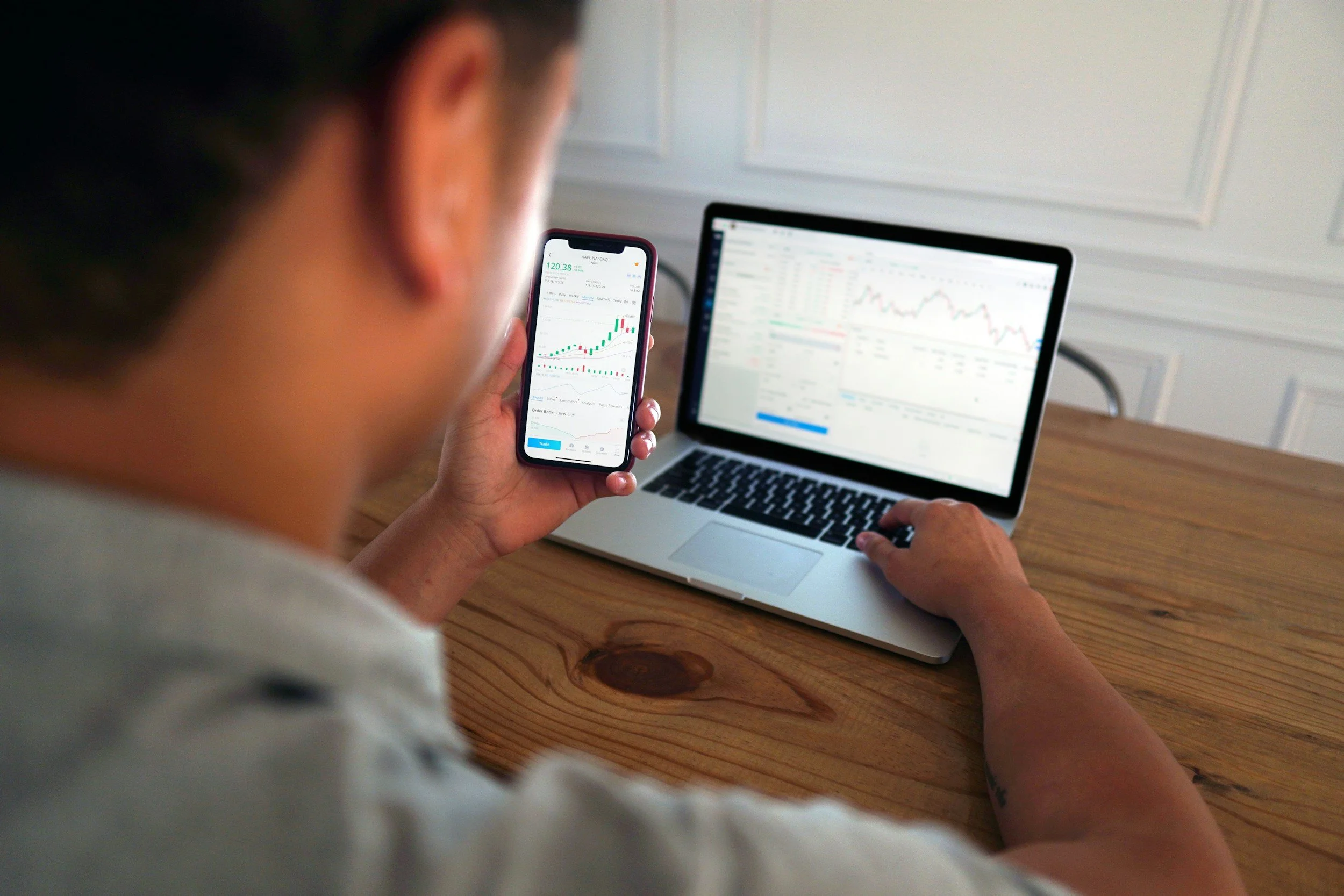
A single stock already carries company-specific risk.
Leverage then magnifies its price movements.
If a product offers three or five times the daily movement of a stock, an ordinary decline in the underlying company can become a devastating loss for the investor.
Leverage accelerates gains when prices rise.
It also accelerates losses when prices fall.
And leveraged products can behave differently from what investors expect over longer periods because of daily resets, volatility and compounding effects.
This is not ordinary long-term investing.
It is high-risk trading.
Yet how many people buying these products understood that?
How many saw a familiar company name and assumed the investment itself must be safe?
When an investment promises unusually fast gains, do not only ask:
"How much can I make?"
Also ask: "What risk am I taking to achieve this return?"
5. The government has responsibilities, but so does the investor
Governments and regulators should create appropriate rules.
They should review whether complex products are suitable for retail investors, require clear disclosures and restrict misleading marketing.
South Korean regulators were right to revisit their policies after the market rout.
But regulation cannot remove personal responsibility.
Every investor is ultimately responsible for deciding where their money goes.
That remains true whether you invest independently, use an adviser or place money with a fund manager.
You may delegate the management of your money, but you cannot fully delegate responsibility for it.
You still need to understand the broad strategy, know the risks and decide whether the investment aligns with your goals.
You are the steward of your own money.
This is not about blaming people who suffered losses. Financial products can be complex, and poor regulation can make matters worse.
But financial confidence begins when we stop assuming someone else will always protect us from every bad decision.

Investing should not begin with a product
Many people start by asking:
"What stock should I buy?"
"Which ETF has the highest return?"
"What is everyone else investing in?"
Those are not the first questions.
Start with:
What am I investing for?
How long can I leave the money invested?
How much loss can I financially and emotionally tolerate?
What do I understand well enough to invest in?
How diversified is my portfolio?
The product should come after these questions, not before them.
The South Korean market incident is an extreme example, but the behaviour behind it is common everywhere.
People chase recent returns, copy others, underestimate risk and buy products they cannot explain.
Good investing is not about finding the most exciting upside.
It is about taking risks you understand, can afford and are prepared to live with.
Before making your next investment, ask yourself:
Do I genuinely understand what I own, and does it belong in my financial life?
💬 Which of these five lessons do you think more investors need to hear? Share this article with someone who needs a reminder.

Hi, I’m Dinah, founder of Your Finance Mind.
I help people build a better relationship with money, get their finances in order and start putting their money to work - especially if they feel unsure about where to start or what to do next.
My work brings together money mindset, practical investing knowledge and simple financial habits to help you feel more confident making decisions about your money.
If that sounds like where you are right now, take a look at my coaching programs and see if one feels right for you.
And if you have a question, thought or feedback, drop me an email at info@yourfinancemind.com. I’d love to hear from you.
